
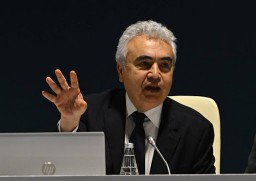
The Iran energy crisis represents a critical failure of pre-crisis energy diplomacy — a failure to use diplomatic tools to prevent the conflict from escalating to a point where global energy markets were catastrophically disrupted, the head of the International Energy Agency has warned. Fatih Birol, speaking in Canberra, said the depth and scale of the crisis — equivalent to the combined force of the 1970s twin oil shocks and the Ukraine gas emergency — reflected a failure of international preventive diplomacy in a region that contained the world’s most critical energy supply infrastructure. He called for this failure to be honestly acknowledged and learned from.
Birol said he was not making a political judgment about the rights and wrongs of the decisions that had led to the conflict. But he said the international community had a responsibility to ensure that whenever the risk of conflict in major energy-producing regions escalated, the potential energy market consequences were explicitly considered in diplomatic calculations and that every effort was made to prevent conflicts that could cause catastrophic global supply disruptions.
The conflict began February 28 with US and Israeli strikes on Iran and has since removed 11 million barrels of oil per day and 140 billion cubic metres of gas from world markets. At least 40 Gulf energy assets have been severely damaged, and the Hormuz strait — through which approximately 20 percent of global oil flows — remains closed. The IEA deployed 400 million barrels from strategic reserves on March 11 in its largest emergency action.
Birol confirmed further releases were under consideration and said consultations with governments across three continents were ongoing. He called for demand-side policies including remote work, lower speed limits, and reduced commercial aviation. He met with Australian Prime Minister Anthony Albanese and said the lessons of the pre-crisis diplomacy failure needed to be built into future international crisis prevention frameworks.
Trump’s 48-hour ultimatum to Iran to reopen the strait expired without result, and Tehran threatened retaliatory strikes on US and allied energy and water infrastructure. Birol concluded by calling for the establishment of stronger international mechanisms for energy-aware conflict prevention diplomacy — frameworks that would ensure the global energy consequences of potential conflicts were always explicitly considered in pre-crisis diplomatic efforts. He said the world could not afford to keep paying the catastrophic price of getting this wrong.