
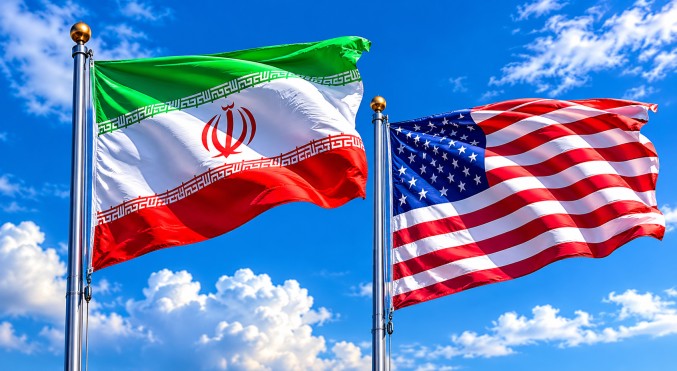
Amid high tensions over potential renewed U.S. military strikes, Iran and the United States have made limited headway in their ongoing negotiations. Iranian officials report that the gap between the two nations has narrowed, with current discussions primarily targeting the establishment of a broader ceasefire to ease regional tensions. According to Iran’s Foreign Ministry spokesperson, Esmail Baghaei, the immediate goal is to halt hostilities, while nuclear issues are slated for future talks.
U.S. Secretary of State Marco Rubio has recognized the progress in diplomatic discussions, noting that efforts are ongoing and additional developments could arise soon. The United States remains firm that Iran must never acquire nuclear weapons and insists on assurances regarding uranium stockpile management and the reopening of the Strait of Hormuz.
Iran’s parliamentary speaker, Mohammad Bagher Ghalibaf, has issued a stark warning, indicating that any new U.S. military action would provoke a stronger response from Iran. He also highlighted that Iran has been actively rebuilding parts of its military capabilities following recent conflicts and the current fragile ceasefire.
Pakistan continues to play a mediating role between Tehran and Washington, with its army chief recently engaging in discussions with top Iranian leaders in Tehran. These meetings have been described as constructive, with the aim of setting up another round of direct negotiations between the U.S. and Iran.
These diplomatic initiatives come at a critical time, as concerns over regional stability, global energy supplies, and the potential for further escalation in the Middle East persist. Both sides appear committed to finding a diplomatic resolution, although significant challenges remain.