
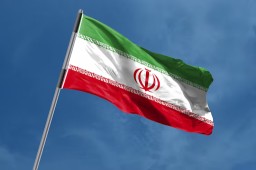
A diplomatic offensive accompanied the military one on Wednesday as Iran dismissed the American ceasefire framework and responded with a five-point proposal of its own, insisting it would determine independently when and how the war ends. Iranian state television carried the statement from an unnamed official who made clear that Tehran had no interest in accepting conditions set by Washington. The move kept the conflict on an uncertain trajectory even as intermediaries scrambled to bridge the gap.
Pakistan had delivered the US-drafted 15-point proposal earlier in the day, encompassing sweeping demands ranging from nuclear programme dismantlement to missile restrictions and the reopening of the strategically critical Strait of Hormuz. Iran’s foreign minister Abbas Araghchi acknowledged that the proposals had been passed on to senior authorities but stated plainly that his country had no current intention of entering into negotiations. The White House maintained that discussions were continuing and called them productive.
On the battlefield, neither side showed any sign of restraint. Israel announced the completion of a broad wave of strikes across Iran, targeting what it described as infrastructure of the Iranian regime in multiple locations including Isfahan. Iran retaliated with drone and missile barrages aimed at Israel and Gulf nations, with one attack igniting a large fire at Kuwait international airport. Kuwait separately announced the arrest of six individuals linked to an alleged Hezbollah assassination plot against its leadership.
The US military’s accounting of the campaign was striking. More than 10,000 Iranian targets had been hit, over 90% of Iran’s largest naval vessels had been destroyed, and the majority of the country’s missile and drone manufacturing capacity had been damaged or eliminated. Yet Iran showed no sign of capitulation, threatening to carpet-bomb its own territory to repel any ground invasion and warning of strikes on Red Sea shipping if US forces attempted to land on its soil.
The economic and political costs were mounting rapidly for Washington. Oil prices had surged, consumer confidence had fallen, and President Trump’s approval numbers had reached a record low of 36%. Approximately three in five Americans said the war had gone further than it should. With a presidential trip to Beijing scheduled for mid-May, analysts speculated Washington hoped to resolve the crisis before that date, adding pressure to find a diplomatic exit.