
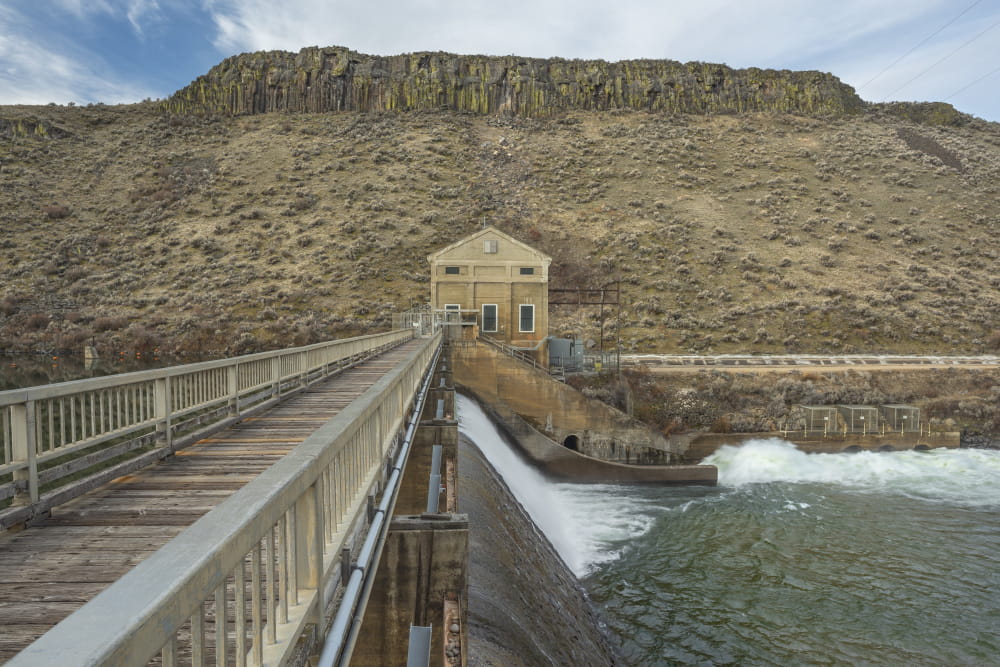
Cape Town has seen a notable boost in its water reserves following recent cold fronts that swept through the region. The Western Cape was hit with severe weather earlier this week, providing much-needed rainfall that has eased previous concerns over water shortages. This development has turned the earlier worry about dwindling dam levels into a sense of cautious optimism among officials.
On Wednesday, data showed a significant increase in the water storage levels of Cape Town’s six major dams, which collectively reached 67.8%. This marks a substantial rise from the 48.3% recorded just a week earlier. The City of Cape Town, along with the National Department of Water and Sanitation, closely monitors these figures to evaluate water availability and consider whether water restrictions might be necessary for residents and businesses. Maintaining healthy dam levels is vital for ensuring a stable water supply in the city, often referred to as the Mother City.
The dams are a crucial part of the Western Cape Water Supply System, which is an extensive network that includes dams, pump stations, pipelines, and tunnels. This system not only serves Cape Town but also extends to towns in the Overberg, Boland, West Coast, and Swartland areas, supporting both municipal and agricultural water needs.
Thanks to the increased dam levels, the region can temporarily relax some of its previous worries about water scarcity. Nonetheless, officials remain vigilant in monitoring the situation to secure long-term water stability for both urban areas and agricultural demands. The recent heavy rainfall has provided essential relief, but continued focus on effective water management is crucial.