
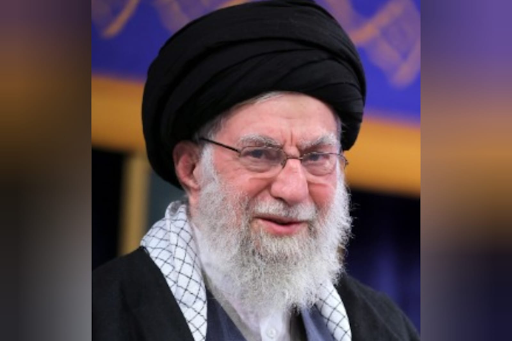
The Supreme Leader was the ultimate authority for a network of proxy forces stretching from the Mediterranean to the Gulf of Aden. With his death in a joint US-Israeli operation, the “Axis of Resistance” faces a crisis of leadership. While the IRGC’s Quds Force handles the day-to-day operations, the late leader provided the religious and ideological glue for the movement.
The military and security institutions have signaled that they will “continue the conflict,” but the coordination of multiple proxy groups requires a steady hand at the top. The “deep uncertainty” in Tehran could lead to a lack of clear direction for groups like Hezbollah or the Houthis, who look to Iran for both funding and strategic guidance.
Israeli and US strategists are likely banking on this period of transition to weaken the links between Tehran and its proxies. If the IRGC is too busy securing the streets of Tehran and managing the “Assembly of Experts” to focus on regional coordination, the proxy network may become more fractured and less effective.
However, the opposite could also be true. A more powerful IRGC might give their proxy commanders more autonomy to strike back in retaliation for the leader’s death. This “decentralized resistance” could be even more unpredictable and dangerous than the previous, more controlled strategy.
The upcoming selection of a permanent successor will be watched closely in Baghdad, Beirut, and Sana’a. Whether the new leader is Mojtaba Khamenei or another figure, they will have to prove their commitment to the regional struggle to maintain the loyalty of Iran’s foreign allies. The “uncharted territory” extends far beyond the borders of Iran itself.