
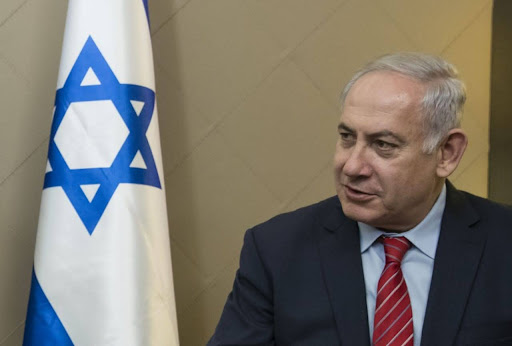
Israeli Prime Minister Benjamin Netanyahu made bold declarations on Friday, asserting that Iran has been stripped of its ability to enrich uranium or manufacture ballistic missiles following 20 days of intense conflict. Speaking at a press conference, he dismissed reports that Israel had pulled the United States into the war, calling such claims outright fabrications. Netanyahu expressed strong confidence that the ongoing conflict could reach its conclusion far sooner than most analysts anticipate.
The Israeli leader addressed widespread speculation about American involvement, firmly rejecting the notion that Israel had manipulated or pressured US President Donald Trump into joining the confrontation with Iran. Netanyahu responded to a journalist’s question with a rhetorical challenge, asking whether anyone truly believed someone could dictate to Trump. He framed the US-Israel partnership as one of mutual understanding and shared strategic vision.
On the battlefield front, Netanyahu confirmed that Israel acted independently in striking Iran’s South Pars gas field, one of the largest natural gas compounds in the world located in the Asaluyeh region. He also acknowledged that Trump had personally requested Israel hold off on further strikes against Iran’s natural gas infrastructure. Despite this request, Netanyahu made clear that Israel’s military decisions remained its own.
Turning to Iran’s threats regarding the Strait of Hormuz, Netanyahu called them an act of global blackmail and predicted they would ultimately fail. He advocated for the development of alternative energy corridors running westward through the Arabian Peninsula to Israeli and Mediterranean ports. This vision, he suggested, would reduce the world’s dependence on vulnerable maritime chokepoints.
Netanyahu closed his remarks by noting visible fractures within Iran’s new leadership structure, pointing out that the country’s new supreme leader had yet to make any public appearance. He expressed belief that internal tensions were growing among those competing for power in Tehran. In his view, these cracks, combined with military pressure, were driving the war toward a faster-than-expected resolution.