
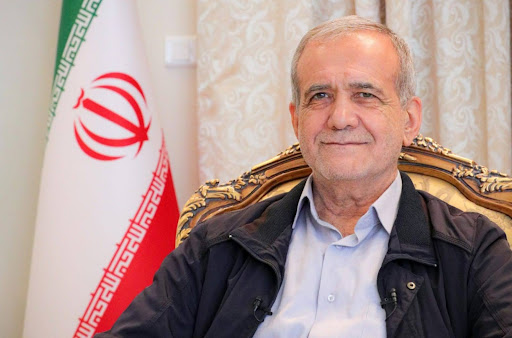
Iranian President Masoud Pezeshkian has issued an urgent call to Gulf countries, warning them that time is running out to shut down US and Israeli military operations from their territories before the regional consequences become irreversible. His message, posted on X more than a month into the Iran-US war, was directed at governments in Saudi Arabia, the UAE, Kuwait, Qatar, and Oman. Pezeshkian framed the decision as one that directly determines the future of the entire Gulf region.
The war has already drawn these Gulf nations into its orbit, as American forces stationed on their soil have conducted strikes against Iran. Tehran has responded with retaliatory attacks inside those same countries, creating a cycle of violence that has put millions of Gulf residents in harm’s way. The longer this dynamic continues, the deeper the regional consequences are likely to become.
Pezeshkian reaffirmed Iran’s long-standing military doctrine, stating that Iran does not engage in preemptive strikes but will always retaliate when its economic or infrastructure assets are targeted. He told Gulf governments that by hosting enemy military operations, they have made themselves part of the war rather than neutral bystanders. His appeal was both a warning and an invitation to choose a different path before the situation spirals further out of control.
Pakistan’s diplomatic momentum continues to build. Prime Minister Shehbaz Sharif confirmed after speaking with Pezeshkian that Iran considers trust the non-negotiable foundation for any meaningful peace negotiations. Pakistan has organized a significant multilateral ministerial meeting in Islamabad, bringing together the foreign ministers of Saudi Arabia, Egypt, and Turkey to deliberate on de-escalation strategies.
Pakistan’s Foreign Minister Ishaq Dar will chair the talks and also arrange separate meetings with Prime Minister Sharif. Tehran has praised Islamabad for its earnest and constructive mediation efforts. The Islamabad meeting represents one of the most concrete diplomatic opportunities to emerge since the war began, and its outcome could reshape the regional landscape significantly.