
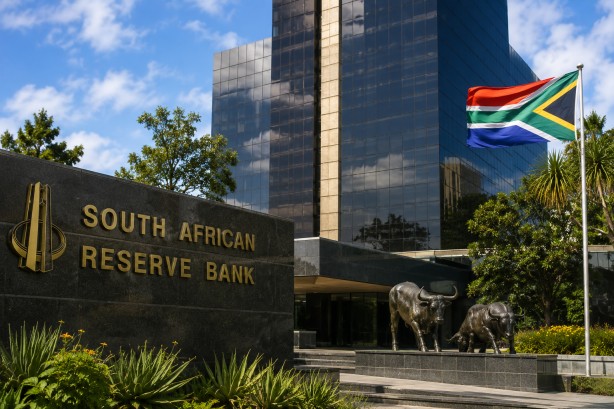
The South African Reserve Bank (SARB) is prioritizing inflation control over economic growth when determining its interest rate strategy. This focus is highlighted by the views of Annabel Bishop, Chief Economist at Investec, who outlined the SARB’s approach ahead of its upcoming decision on the repo rate. According to Bishop, the central bank’s policymakers make their interest rate decisions based on inflation projections for the forthcoming six to twelve months, with the primary goal of maintaining price stability. The SARB has set a target inflation rate of 3% for the year 2026.
Interest rates play a crucial role in influencing inflation. By increasing rates, the SARB aims to curb inflationary pressures. Higher interest rates typically discourage borrowing and encourage saving, which can dampen consumer demand. Additionally, these rates can lead to a stronger rand, subsequently lowering the cost of imported goods. While such measures may temporarily strain consumers financially, they are seen as essential for achieving long-term economic stability.
Bishop highlighted that these strategies, while effective in controlling inflation, do have immediate repercussions for consumers. The increase in interest rates tends to create financial burdens for individuals, making it more expensive to borrow money. However, she expressed optimism that the financial landscape is likely to improve post-2027. This improvement is anticipated as a result of lower inflation rates and potential decreases in interest rates, which could ease the monetary strain on consumers.
The SARB’s dedication to its inflation-targeting strategy underscores its commitment to economic stability, even if it comes at the expense of short-term growth. Although these measures might not immediately stimulate the country’s economic expansion, they are deemed necessary to create a sustainable economic environment in the long run. As the central bank prepares for its next repo rate decision, its focus remains steadfast on achieving its inflation targets and ensuring that price stability is maintained over the coming years.