
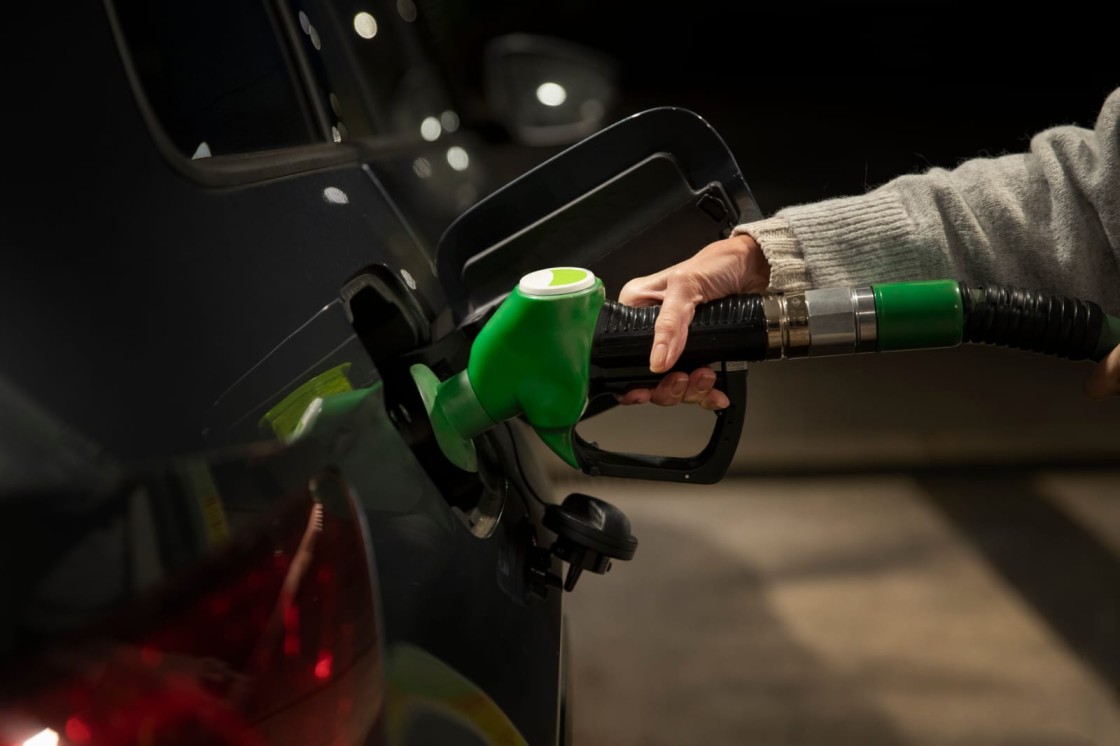
In July, South African drivers may experience a welcome reduction in fuel prices after enduring several months of steady increases. Recent data suggests that the cost of both petrol and diesel could see significant cuts. Current figures indicate substantial over-recoveries for all major fuel types, with petrol grades 93 and 95 seeing over-recoveries of approximately R2.90 per litre. Diesel over-recoveries vary between R4.57 and R4.97 per litre, and illuminating paraffin is also anticipated to drop considerably.
The prospect of reduced fuel costs is attributed to a decrease in international oil prices paired with a stronger rand. During the current pricing review period, the average exchange rate improved slightly from R16.65 to R16.52 against the US dollar, thereby lowering the expense of imported fuel products. This potential decline in fuel prices could provide much-needed relief to both households and businesses grappling with elevated transport and operational costs, while also helping to mitigate inflationary pressures by reducing the costs of transporting goods across South Africa.
Despite the positive outlook, motorists should prepare for the impact of the government’s decision to end the temporary fuel levy relief program. Beginning July 1, fuel levies will increase by R1.50 per litre for petrol and R1.96 per litre for diesel. Nonetheless, the large over-recoveries currently observed suggest that significant price reductions remain feasible.
If market conditions continue to be stable, petrol prices might fall by about 290 to 294 cents per litre, with diesel prices potentially decreasing by 457 to 497 cents per litre. Illuminating paraffin could see a reduction exceeding 500 cents per litre. However, analysts warn that the ultimate price adjustment will hinge on various factors, including global oil market shifts, geopolitical developments, and fluctuations in the rand-dollar exchange rate, leading up to the formal fuel price announcement at the end of June.